Reaching more people through language
When charities create bilingual campaigns, they open the door to more supporters. Language is personal, and people connect better when messages are in a language they understand. For contactless donations for charities, bilingual messaging helps make giving simpler and more welcoming. Whether it’s English and Spanish, or English and Hindi, a second language can make a big difference in who chooses to give.
Building trust through understanding
Supporters are more likely to donate when they trust the organisation. Clear and inclusive communication builds that trust. When donors see that a charity respects their language, culture, and community, it creates a sense of belonging. This emotional connection often leads to higher engagement and repeat donations. Charities can use simple words, friendly tone, and bilingual instructions to guide people through the giving process with confidence.
Improving accessibility for modern donors
Not everyone feels comfortable using digital tools, especially if the instructions are only in one language. Bilingual campaigns remove this barrier. By offering instructions in two languages, charities make contactless donations more accessible. For example, having donation screens, QR codes, or mobile app prompts in multiple languages ensures everyone can participate easily. This step helps include older donors and multilingual communities who want to support local causes but may hesitate due to unclear information.
Using technology to enhance engagement
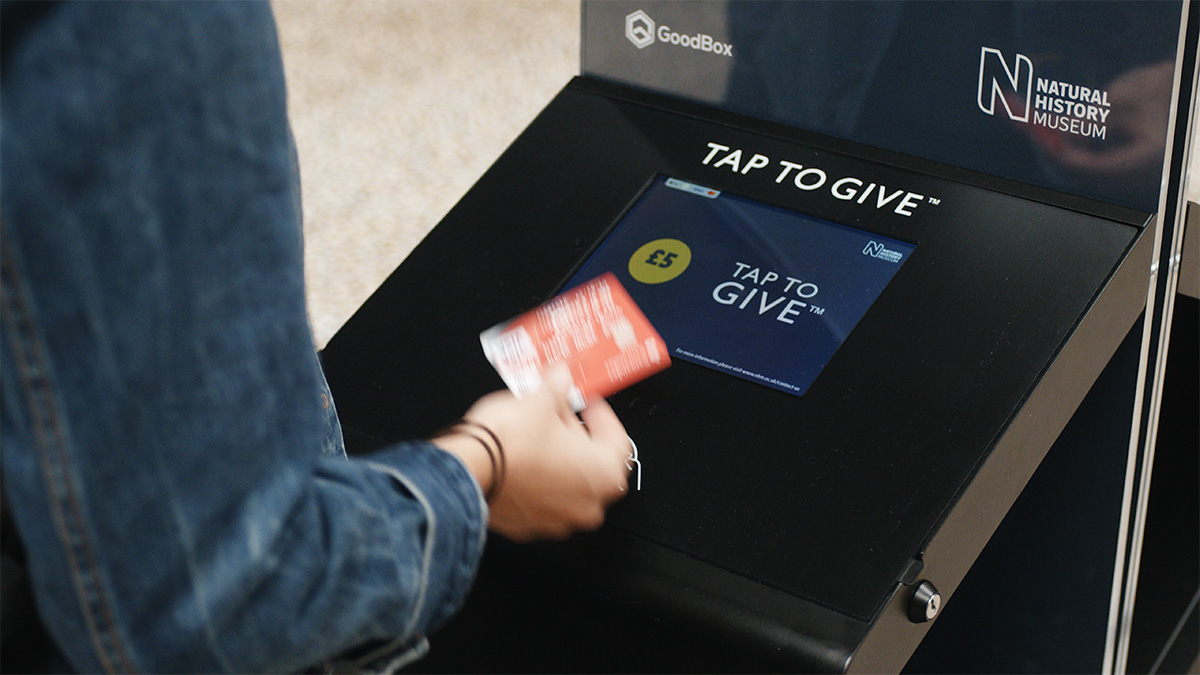
Modern donation systems can easily integrate bilingual features. Contactless giving stations can display language options, while digital campaigns can include translation buttons or dual-language captions. When combined with inclusive imagery and clear calls to action, bilingual campaigns often see higher engagement rates. Supporters feel recognised, and they respond with generosity. For organisations focusing on contactless donations for charities, technology and language diversity go hand in hand.
Encouraging repeat donations
When donors have a positive first experience, they are more likely to give again. A bilingual approach ensures that more people understand how their donation helps and how easy it is to give again. Regular communication in both languages can remind donors about campaigns and build a strong relationship. Consistency in tone and clarity makes donors feel valued, not just targeted.
Training and team awareness
Charities that invest in bilingual staff or volunteer training improve how they connect with supporters. Even small gestures, like greeting donors in their language or translating thank-you messages, can build loyalty. Many organisations are finding that inclusivity at every level of their team improves campaign results and overall community support.
Positive community impact
Bilingual campaigns don’t just boost engagement; they show respect for cultural diversity. They create a sense of shared purpose that unites communities. When donors feel that their language and identity are recognised, they become long-term supporters, not just one-time givers. This strengthens both the cause and the community it serves.
Conclusion
Bilingual campaigns make giving easier, friendlier, and more inclusive. They help charities reach wider audiences, build trust, and increase the success of contactless donations. By embracing language diversity and modern technology, charities can inspire more people to give and keep their support growing over time.