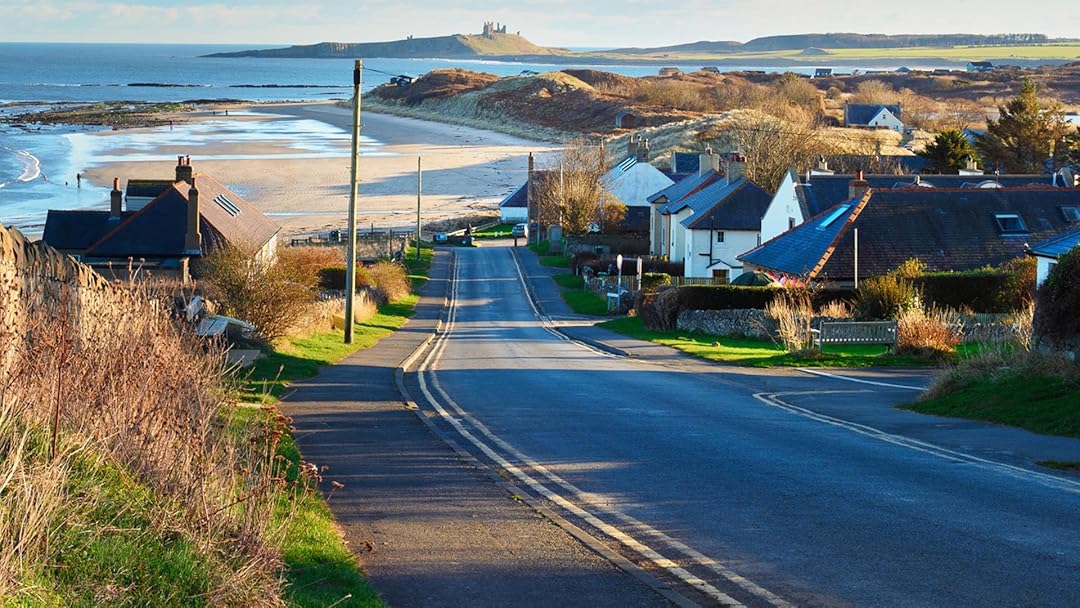
Travel books often focus on famous castles, busy cities, and well-known landmarks, but many of the most memorable experiences in Britain and Ireland can still be found in places that rarely make it onto popular itineraries. Small fishing villages, quiet valleys, and isolated islands continue to protect stories that have been passed down for generations.
Visitors who take the time to leave major tourist routes behind often discover communities where traditions remain an important part of daily life. In western Ireland, locals still share tales about shipwrecks, ancient saints, and families who depended entirely on the sea for survival. Along the coastlines of Wales and Scotland, old stone cottages and abandoned harbours remind travellers of industries that once supported entire villages before changing economic conditions forced many residents to leave.
Reaching these lesser-known destinations is becoming easier for independent travellers. Many people planning slow-paced journeys look for the cheapest campervan rental places to explore remote roads at their own pace. Travelling by campervan allows visitors to spend extra time in hidden corners without worrying about fixed hotel schedules, making it possible to experience landscapes and local customs that are often overlooked by organised tours.
Discovering Places That Have Changed Little Over Time
One of the greatest rewards of visiting quieter regions is the chance to meet people who still remember stories that never appeared in guidebooks. In some communities, residents willingly share memories of wartime evacuations, traditional farming methods, and local celebrations that have continued for centuries.
Walking through narrow village streets often reveals old churches, family-run pubs, and community halls that remain gathering points for neighbours. In several coastal towns, fishermen still mend their nets by hand while talking about changing weather patterns and declining fish stocks. These personal conversations help visitors understand the challenges and resilience that have shaped local identities.
Travellers who choose scenic back roads instead of major highways often stumble upon hidden beaches, forgotten ruins, and peaceful walking trails with little signage. These discoveries create a sense of adventure that many modern tourists seek but rarely find in crowded destinations.
Why Slow Travel Helps Preserve Local Heritage
Growing interest in slow travel is encouraging more visitors to appreciate places beyond famous attractions. Spending additional days in small towns supports local businesses and helps maintain traditions that could otherwise disappear over time.
Markets selling handmade crafts, family bakeries using recipes passed down through generations, and seasonal festivals all benefit from travellers who value authentic experiences. Residents often welcome visitors who show curiosity about their history rather than simply stopping for photographs before moving on.
Britain and Ireland still contain countless villages, islands, and countryside communities where stories survive through conversations, songs, and everyday routines. Those willing to explore these quieter destinations may return home with memories that feel far more meaningful than anything found in mainstream travel books. The true character of these regions often lies not in famous landmarks but in the people who continue to protect their heritage and share it with anyone prepared to listen.
Genre: JUVENILE FICTION / General