Why Travelers Are Looking Beyond Europe’s Famous Cities
For many years, travel stories about Europe mainly focused on places like Paris, Rome, and Barcelona. These cities still attract millions of visitors every year, but modern travel writing is now helping readers discover quieter and less explored parts of the continent. Travelers today are becoming more interested in places that feel authentic, peaceful, and connected to local culture.
Writers, bloggers, and independent travel publications are now focusing on hidden villages, mountain regions, coastal towns, and cultural areas that were previously ignored by mainstream tourism. This shift is slowly changing the way people plan their trips. Instead of following crowded tourist routes, travelers want experiences that feel personal and meaningful.
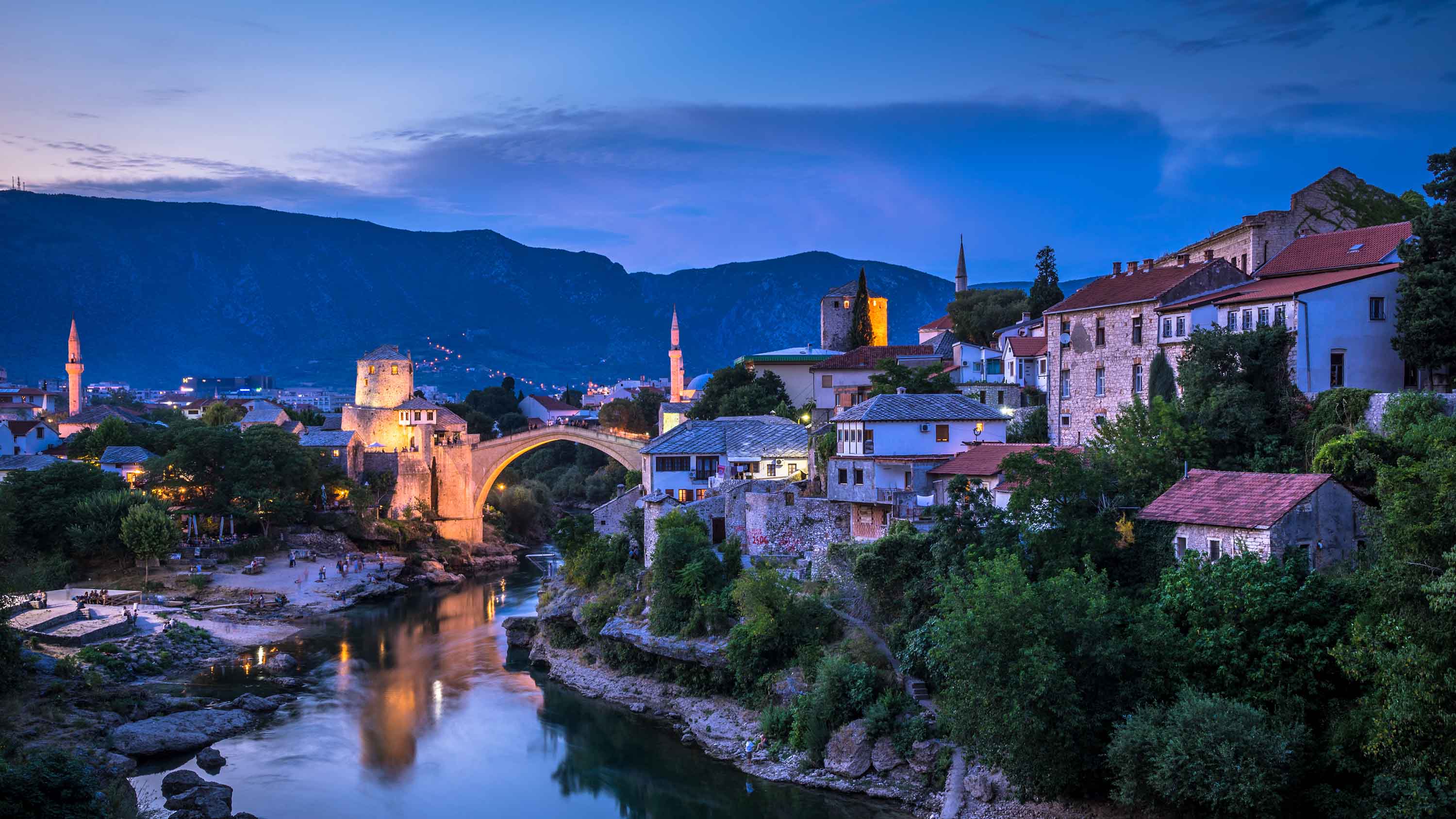
One region receiving growing attention is the Balkans. Readers are becoming curious about destinations that combine history, nature, local traditions, and affordability. Interest in bulgaria tours has especially increased because travelers are looking for destinations that offer both cultural depth and natural beauty without the heavy crowds found in Western Europe.
Travel writers are also using a more personal style today. Instead of only listing attractions, they explain how destinations feel, how locals live, and what daily life looks like. This style helps readers imagine themselves in those places and creates stronger emotional interest in travel experiences.
How Digital Storytelling Is Influencing Travel Choices
Social media, online magazines, and long form travel articles are playing a major role in shaping tourism trends. A single well written article about a lesser known region can inspire thousands of people to research a destination they had never considered before.
Modern audiences are not only searching for luxury vacations. Many people now care about slow travel, cultural connection, food traditions, and nature focused experiences. Because of this, travel writing has become more detailed and experience driven. Writers often describe local markets, traditional festivals, countryside landscapes, and family owned accommodations instead of only promoting famous landmarks.
Eastern European destinations are benefiting from this change. Countries that once received limited international attention are now appearing more often in travel features and destination guides. Bulgaria, for example, is attracting travelers interested in historic monasteries, Black Sea coastlines, mountain hiking, and traditional villages. Many readers searching for unique European experiences are now exploring bulgaria tours as an alternative to overcrowded tourist hotspots.
Another reason for this growing curiosity is affordability. Modern travelers are becoming more budget conscious while still wanting high quality experiences. Travel articles that explain local transportation, regional cuisine, and affordable stays help readers feel more confident about visiting new destinations.
The Future of Travel Writing and Destination Discovery
Travel writing is no longer only about promoting famous attractions. It is now helping people understand cultures, support local communities, and explore destinations more responsibly. Readers want stories that feel honest and useful rather than overly promotional.
As travel trends continue to evolve, lesser known European destinations will likely receive even more attention. Writers who focus on real experiences, local culture, and practical insights are helping travelers discover places that feel fresh and different from traditional tourism routes.
This new style of storytelling is creating a wider appreciation for Europe’s diverse regions. From quiet coastal towns to historic Balkan villages, modern travel writing is opening the door to destinations that many travelers once overlooked.
Genre: JUVENILE FICTION / Travel