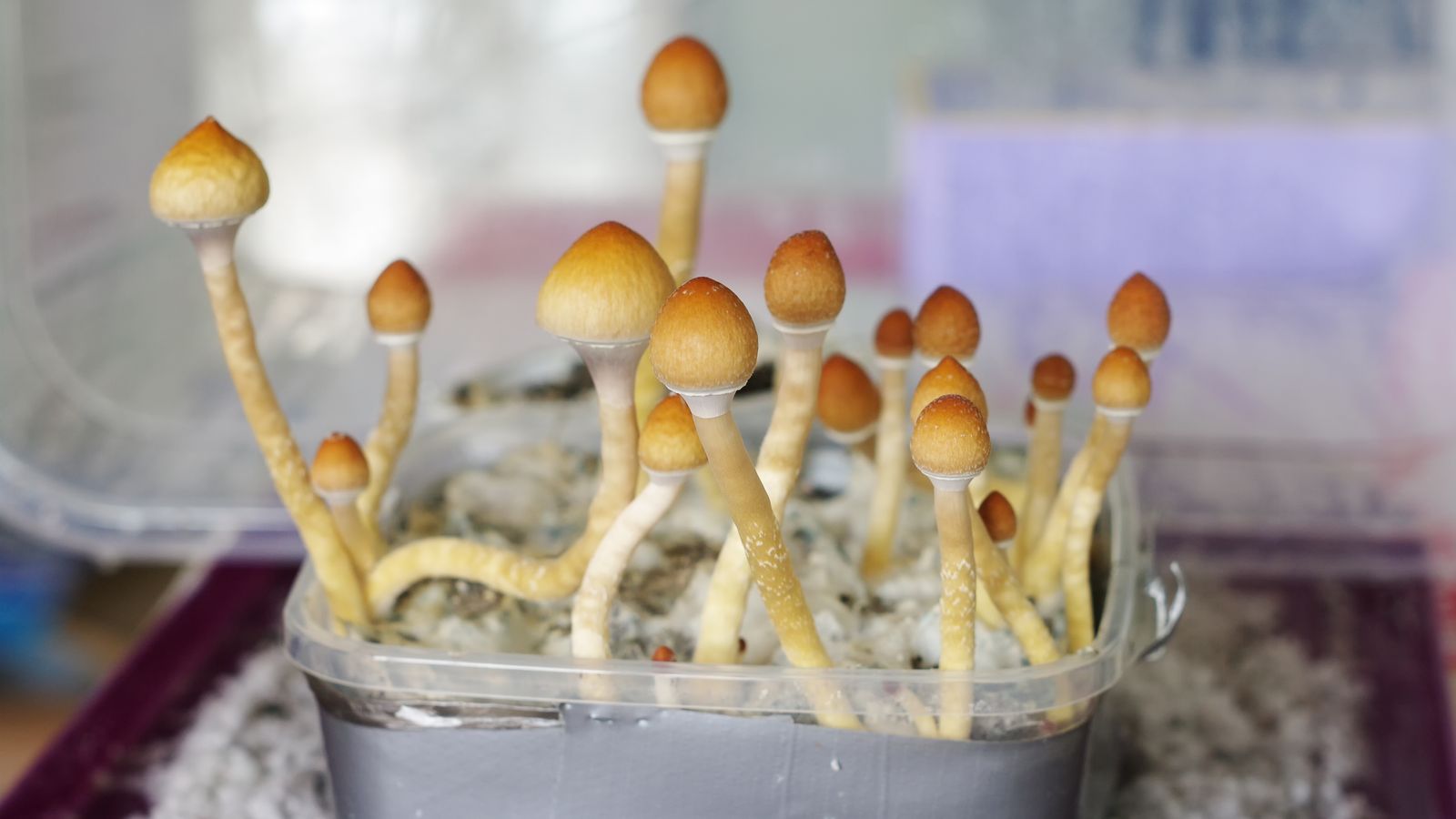
Books about psilocybin and other “magic” mushrooms used to move almost entirely inside one language at a time, which meant important findings stayed locked behind cultural borders. That barrier is falling fast. Small collectives, side-hustle translators, and specialist presses are racing to offer clear, inexpensive editions in Spanish, Korean, Swahili, and dozens of other tongues. Each fresh version widens the circle of readers who can weigh the risks and advantages of psychedelic use for themselves. Creative studio go micromagic tracks this wave closely, because clear information across languages leads to safer exploration and more thoughtful design around mental-health tools.
Breaking the Language Wall
An English-only text limits its reach to people who know that language well. When translators rebuild the same pages in Hindi or Portuguese, they give therapists, grassroots advocates, and curious readers a chance to see the data without guessing at the meaning. Translators often add footnotes that explain local plant names or dosing units, turning a foreign study into a guide that feels made at home.
Keeping Scientific Nuance Intact
Psychedelic research rests on careful wording: dose ranges, set-and-setting notes, and safety protocols all use precise numbers and medical terms. A sloppy translation can scramble those details and put readers at risk. Teams that handle the work well follow a double-check pattern. First pass: a fluent scientist carries over the core facts. Second pass: a language pro smooths style while keeping every decimal in place. go micromagicrecommends this two-layer edit whenever it advises clients on mental-health content.
Adding Cultural Context
Ideas that feel normal in one place can sound strange somewhere else. For example, a North American author may assume access to a legal therapist, while readers in Southeast Asia may face strict drug laws. Skilled translators solve this by writing short sidebars: “Local law treats psilocybin as a Class A substance; penalties apply even for tiny amounts.” A single paragraph of context keeps the main text honest and prevents accidental harm.
Opening Doors for Citizen Scientists
Low-cost digital editions—often sold for the price of a coffee or given away under Creative Commons—let students, nurses, and neighborhood organizers join the conversation. They can test microdosing logs, share outcome charts, and correct earlier mistakes. Those grass-roots findings then feed back into updated translations, creating a live loop of knowledge instead of a one-way broadcast.
Boosting Equity in Therapy
Licensed clinics in wealthy countries already charge high fees for guided sessions. Widely translated manuals let lower-income regions train peer-support groups at a fraction of the cost. Readers can compare protocols, discuss them in their mother tongue, and adapt them to local herbs or customs. The more languages a handbook covers, the smaller the gap between early adopters and everyone else.
Designing Better Tools
When go micromagic turns research into digital products, clear multilingual sources act like guardrails. Interface text on dosage sliders, safety pop-ups, and integration tips must match the best science word for word. Accurate translations make it easy to port the same app to Arabic or Tagalog without risking meaning drift.
A Growing Web of Shared Insight
Each new translation adds threads to a worldwide network of mushroom knowledge. Scientists learn how different diets change a dose, artists find fresh visual metaphors, and policy makers study harm-reduction plans that already work elsewhere. Step by step, language-by-language, the pool of safe, reliable information grows—and everyone, from first-time readers to seasoned designers at go micromagic, stands to benefit.
Genre: HEALTH & FITNESS / General