Fire safety education plays a critical role in protecting lives and property. Every year communities face fire incidents that could have been prevented with better awareness and proper communication. One of the biggest challenges in spreading fire safety knowledge is the language barrier. In many diverse communities people speak different languages and may not fully understand safety materials written in only one language. Publishing fire safety information in multiple languages helps close this gap and ensures that everyone has equal access to life saving information.
Making Safety Education Accessible to All
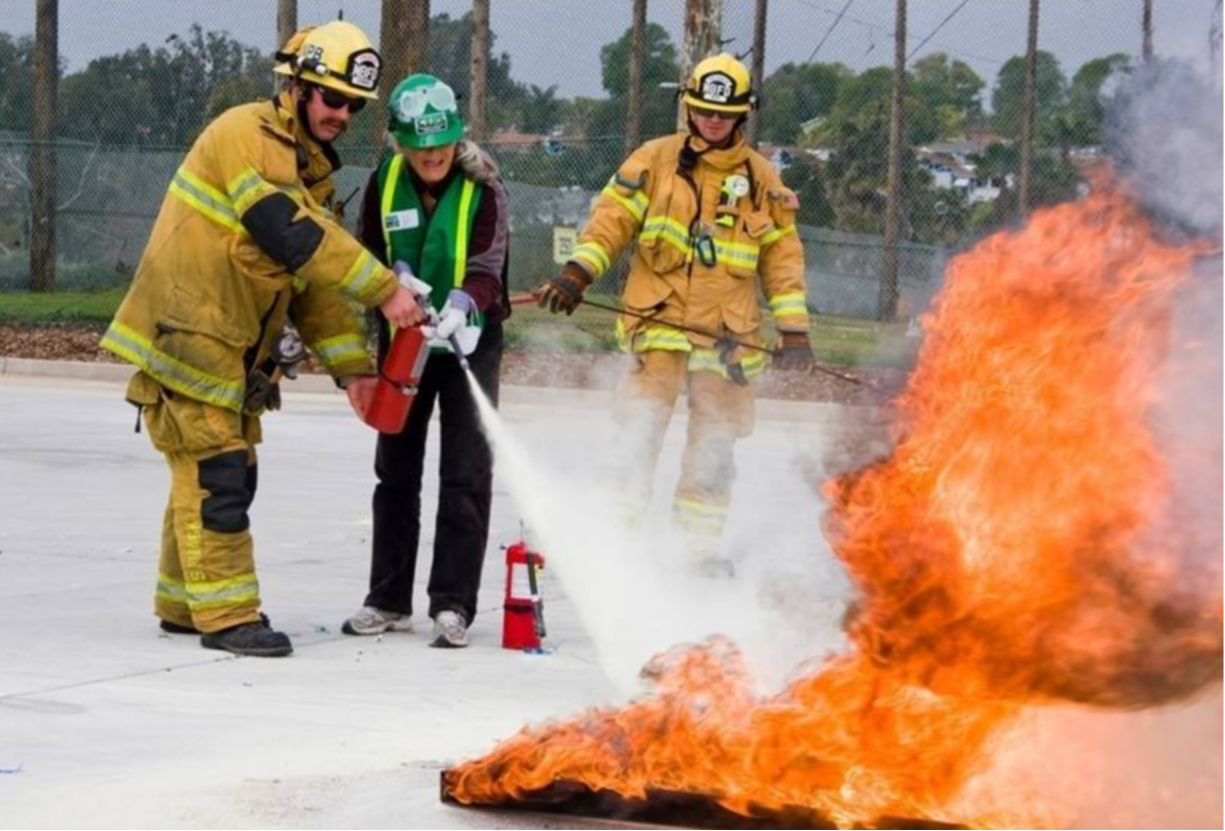
When fire safety materials are translated into different languages they reach more people and make learning easier. These multilingual campaigns allow individuals to understand essential safety practices such as how to operate fire extinguishers or what steps to take when a fire breaks out. When people understand instructions clearly they are more likely to act quickly and correctly in an emergency. This can make a real difference in preventing injuries and property damage.
Language inclusion also promotes confidence within communities. When residents see information in their own language they feel respected and valued. Fire Watch Guard Service encourages them to pay attention and participate in community safety programs. This creates stronger engagement and helps build trust between fire departments and the public.
The Role of Organizations in Promoting Language Accessibility
Many organizations today recognize how important language accessibility is to effective fire safety education. Companies like Fire Watch Guard Services are taking steps to ensure their materials and training programs are inclusive. When fire watch personnel can give instructions in different languages it helps create a safer work environment. Clear communication reduces confusion during emergencies and allows everyone to work together efficiently.
Translated manuals, safety posters, and online guides can make training more effective. Employees who understand the information are better prepared to handle unexpected fire situations. They can also help others around them follow safety procedures correctly. In a crisis clear and simple communication can save valuable seconds that may prevent a tragedy.
Bridging the Gap Between Communities and Fire Authorities
Publishing multilingual safety materials also helps bridge cultural and social gaps. It sends a message that safety is a shared responsibility and not limited to one group or language. When fire protection authorities make the effort to communicate with everyone they build lasting trust. This trust leads to better cooperation during inspections, drills, and emergency responses.
Online fire safety resources in multiple languages are especially effective in reaching people who may not attend in-person training sessions. Many individuals search for safety information online and having those resources available in their native language ensures that no one is left behind. It also encourages continuous learning since people can revisit the material whenever they need a refresher.
Creating a Safer and More Inclusive Society
Embracing linguistic diversity benefits not only individuals but the community as a whole. When fire departments, schools, and organizations like Fire Watch Guard Services promote language inclusion they strengthen public safety. A community that understands and practices fire prevention together becomes safer and more united.
Fire safety is everyone’s responsibility and information should never be limited by language. Making educational materials available in different languages helps save lives and protect property. It ensures that every person regardless of their background has the knowledge to respond correctly in an emergency. Through multilingual education communities can build a culture of safety, understanding, and mutual care.
Genre: BUSINESS & ECONOMICS / General